About the Course
Following the success of our two Permaculture Immersion Weeks in July and September 2026, and in response to demand for shorter experiences, we’re delighted to be offering this new three-day immersion.
Particularly designed for new participants, whilst also a way for returning participants to reconnect, this weekend welcomes people who are taking their first steps into permaculture, organic food growing and low impact living.
It also provides opportunities for anyone working towards completing a Permaculture Design Certificate (PDC) and people who have already completed a PDC to deepen their practical growing skills and confidence through the Ediculture curriculum.
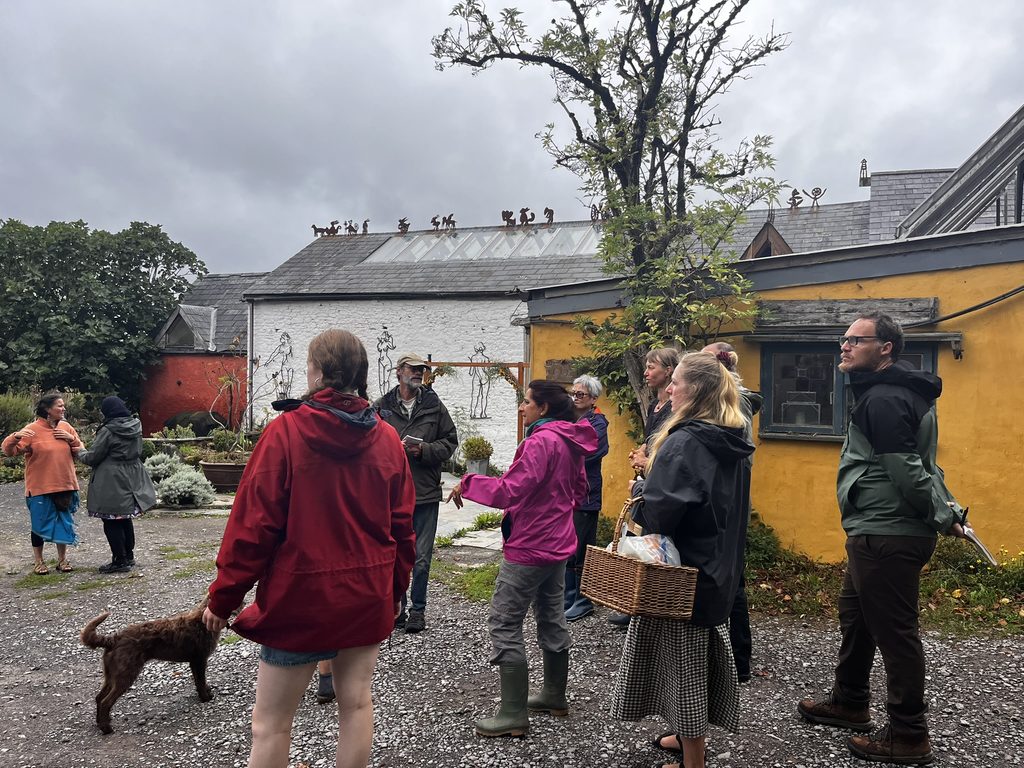
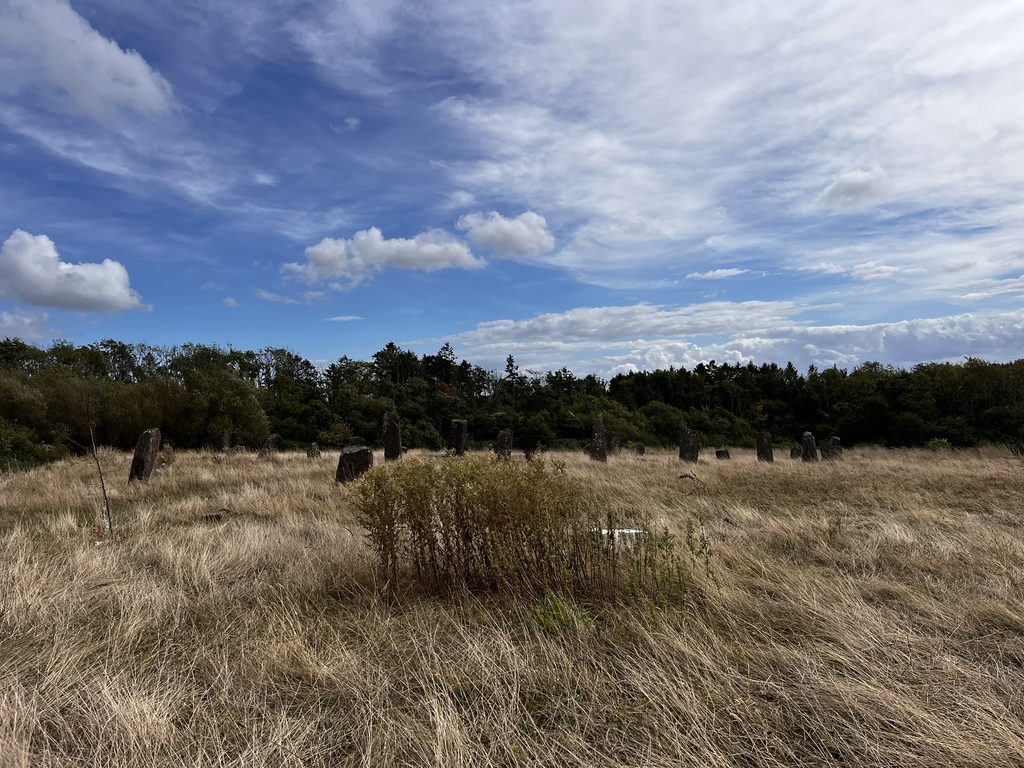
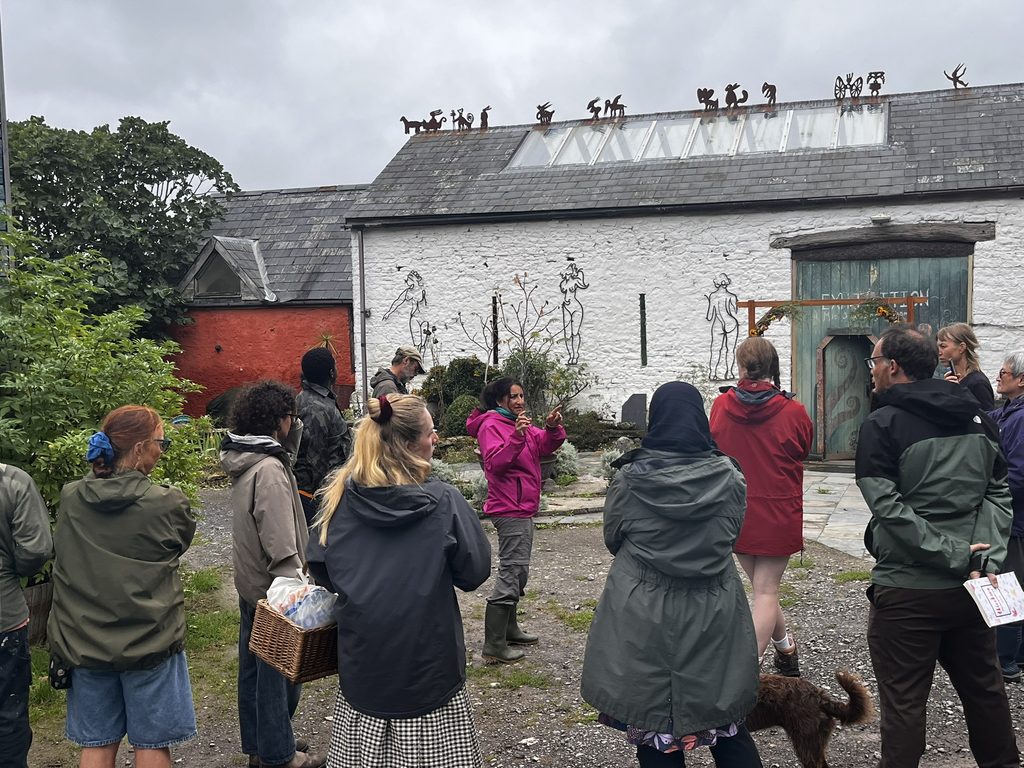
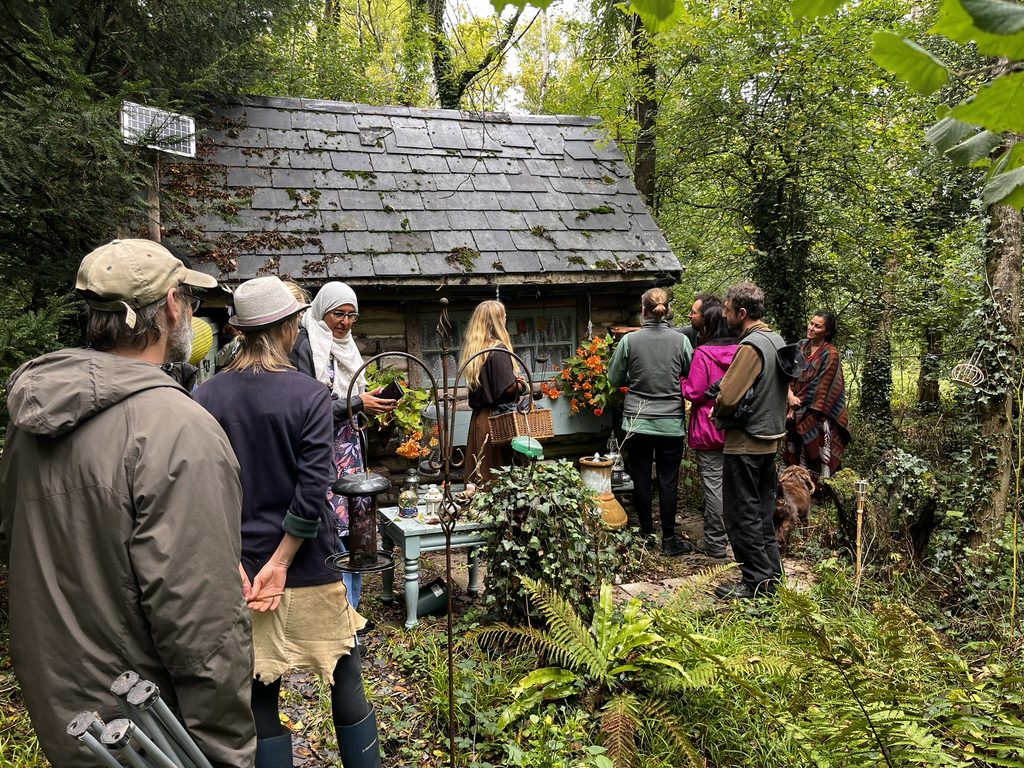
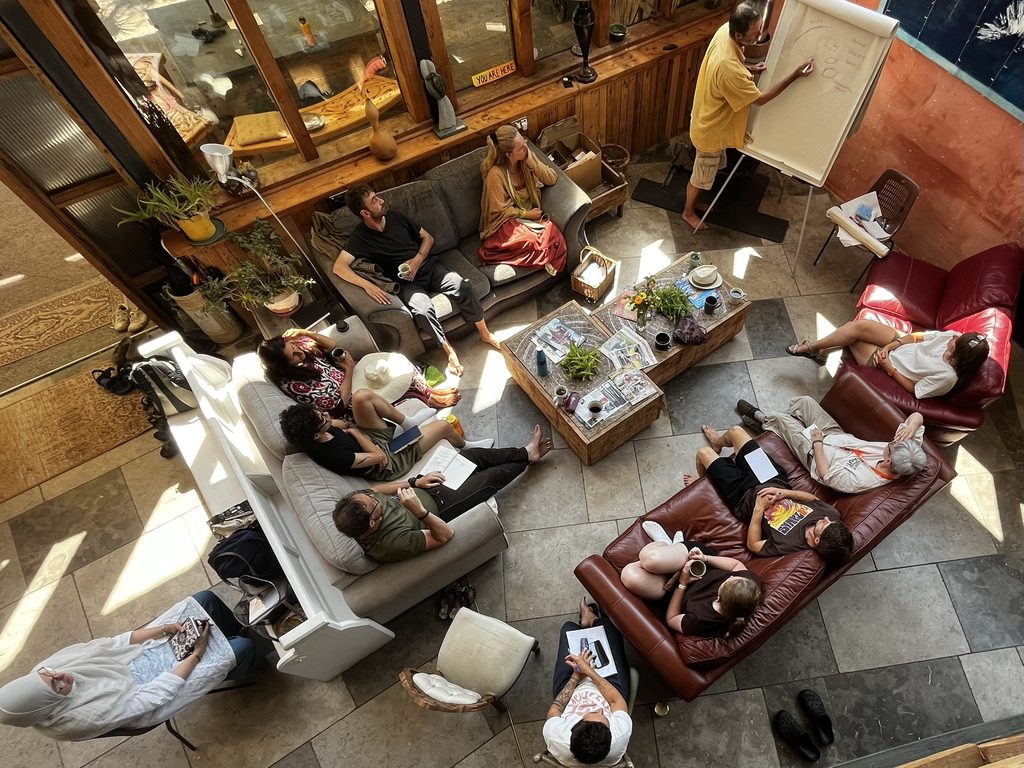
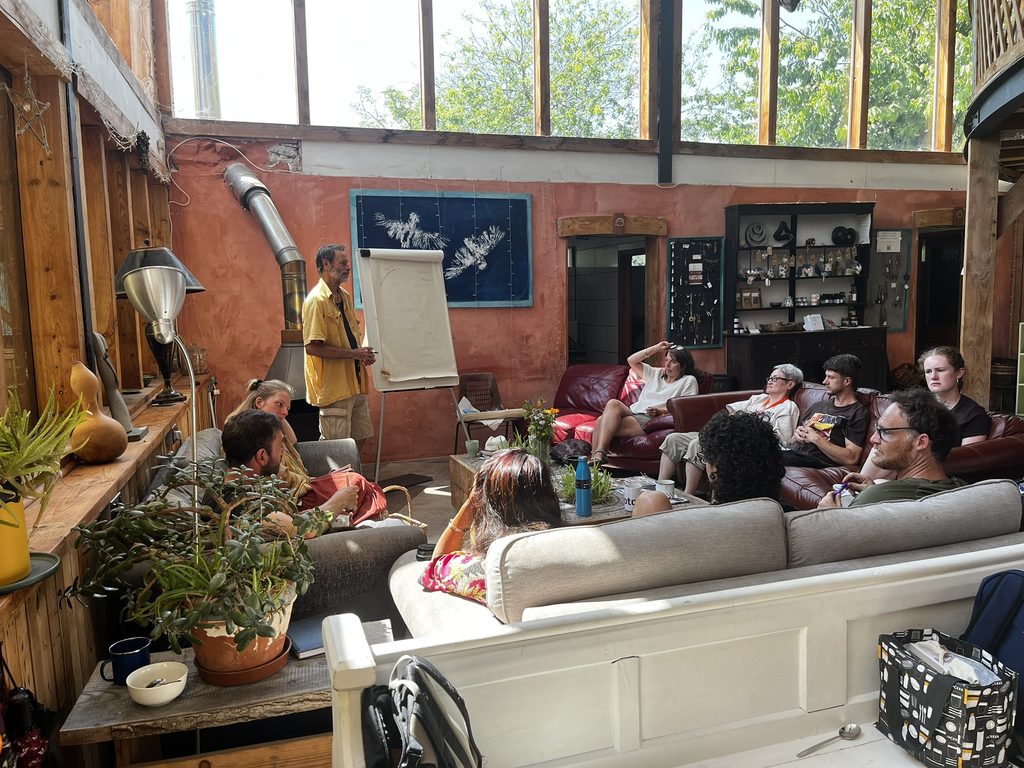
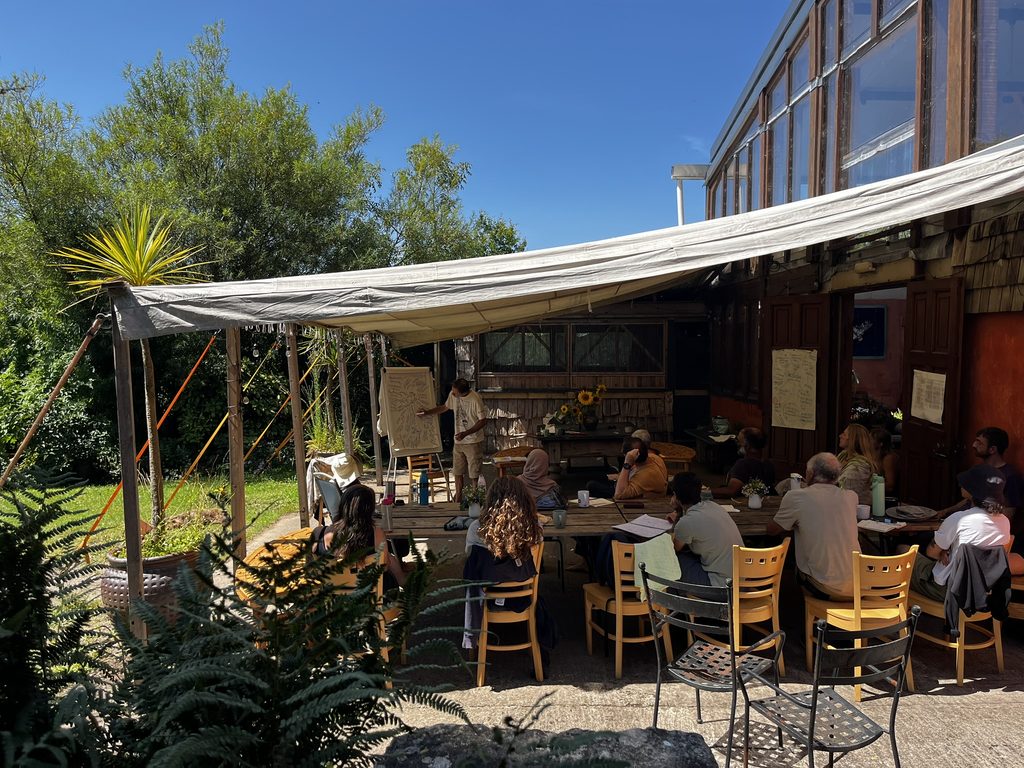
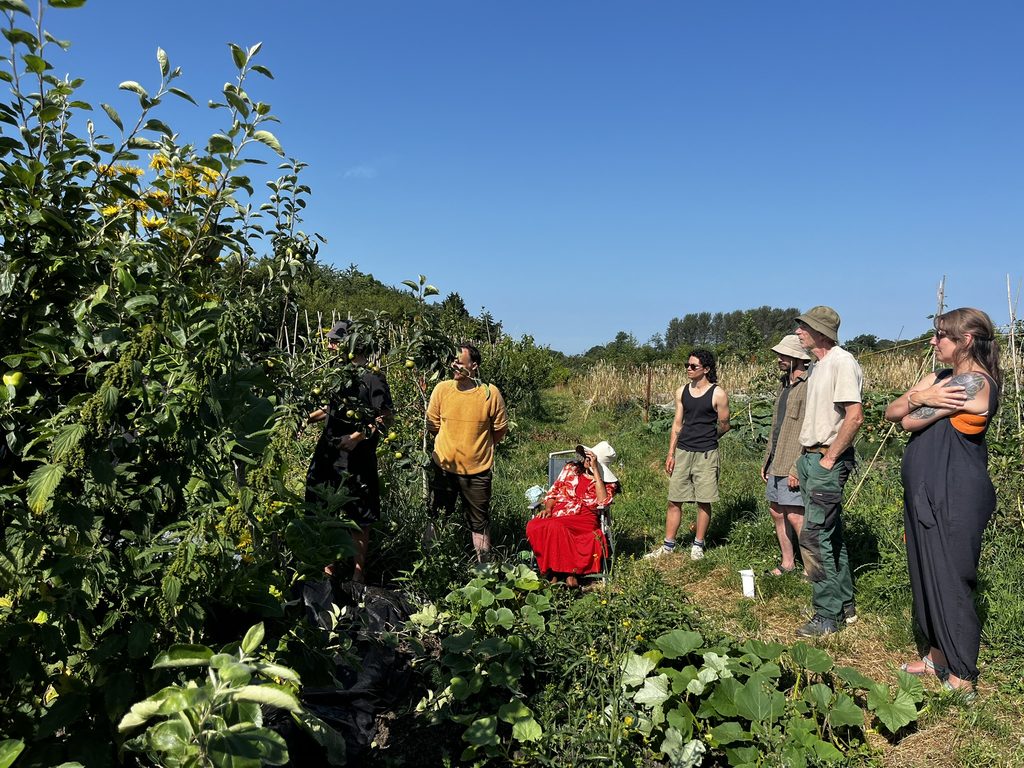
Held at Coed Hills, a long-established eco-community, rural arts hub and centre for low-impact living, this long weekend brings together practical learning, regenerative design, shared meals and life in a community setting, within beautiful and productive forest gardens, and in a nurturing landscape. The experience integrates theory and practice, so that you experience permaculture through doing, observing, reflecting and working alongside others.
What You’ll Experience
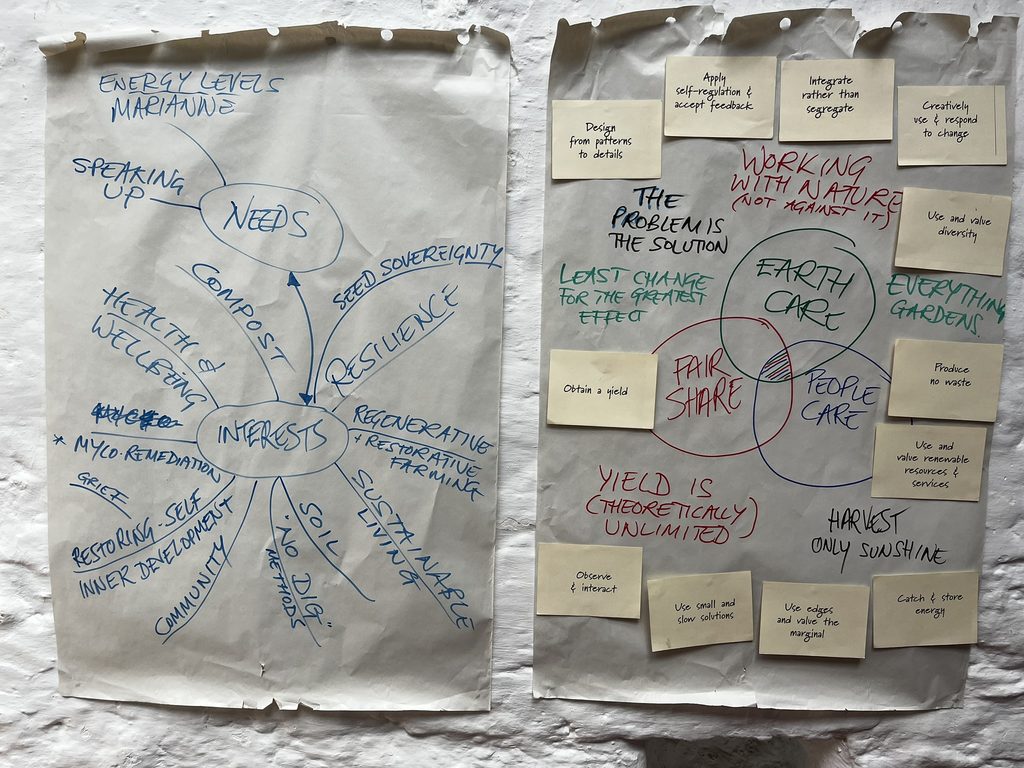
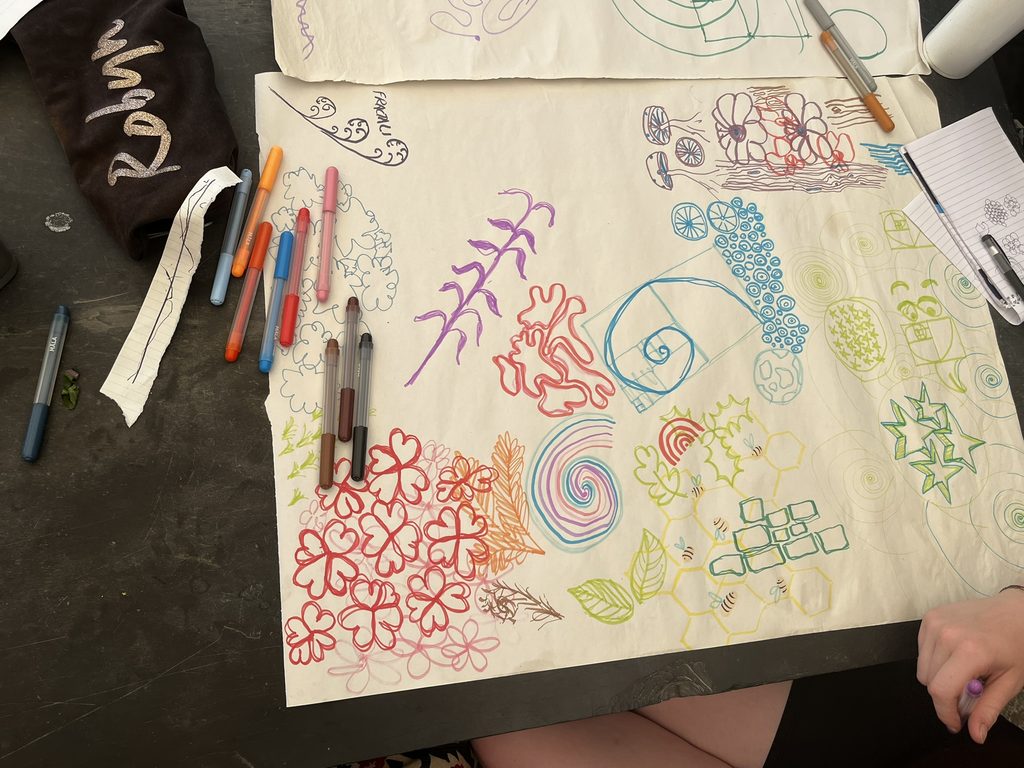
During the 3-days new participants will explore permaculture as an practical philosophy (the ethics and principles), a system of design thinking and a set of practices for regenerative living. Returning participants and PDC graduates will deepen their practical skills through Ediculture’s hands on approach to food growing, land stewardship and regenerative practice, emphasising the tasks and understanding that are required for the season at hand.
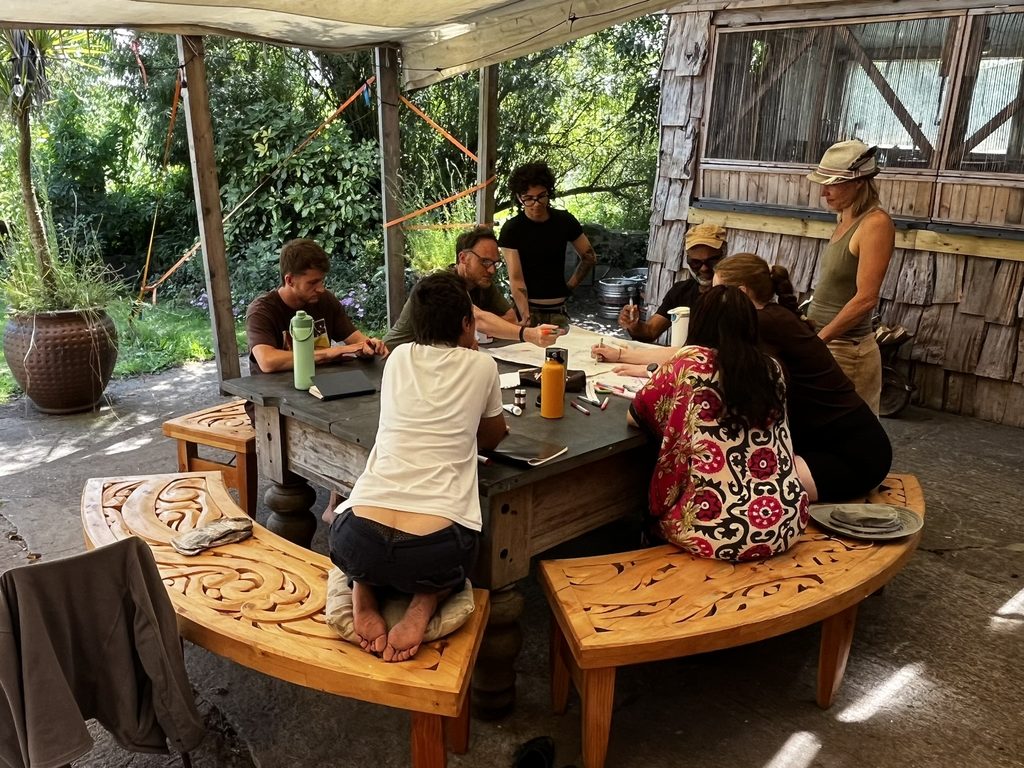
Throughout the weekend, everyone comes together for practical projects, shared meals, design sessions and life in community.
You’ll experience:
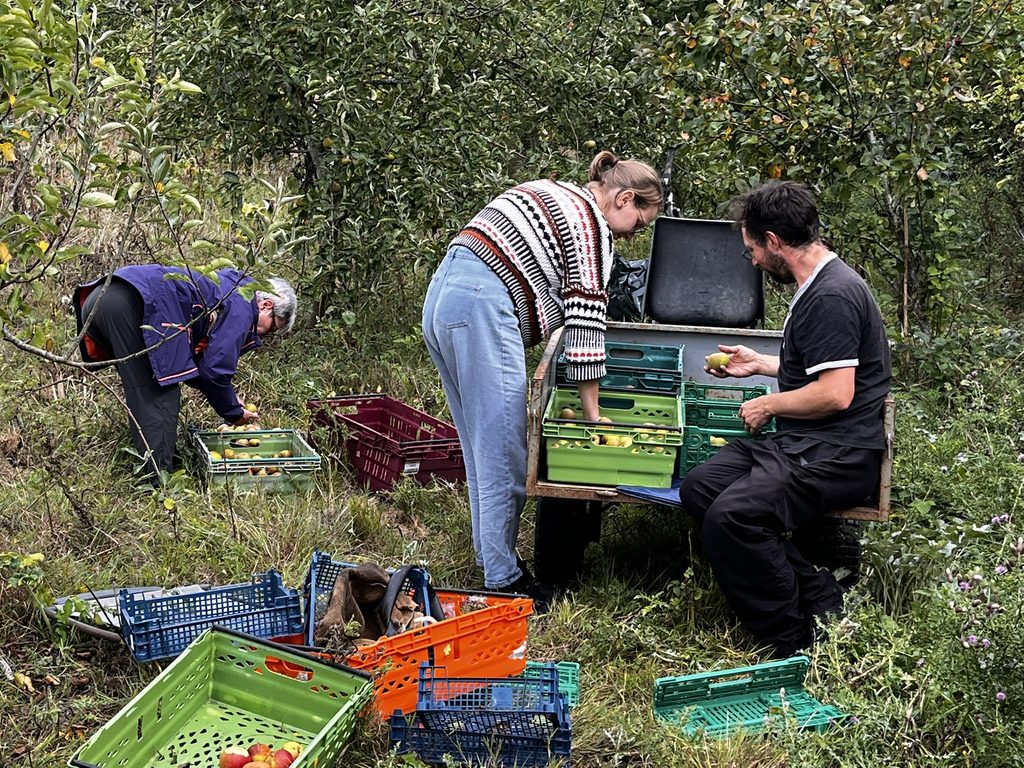
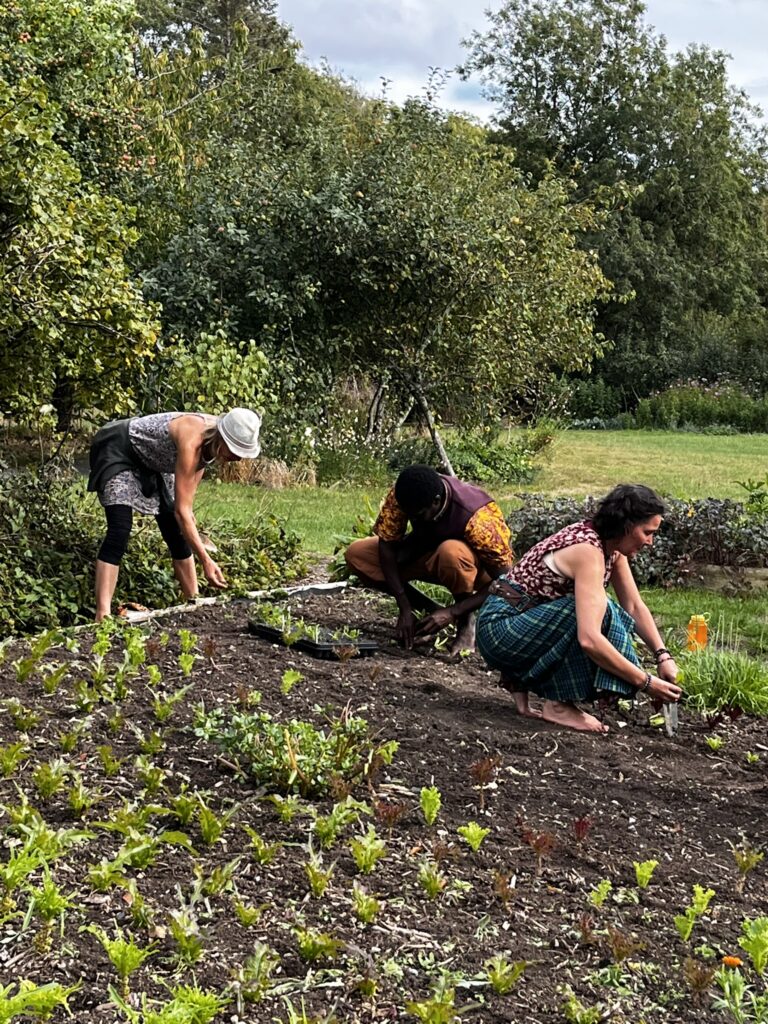
- Practical food growing, forest gardening and seasonal awareness
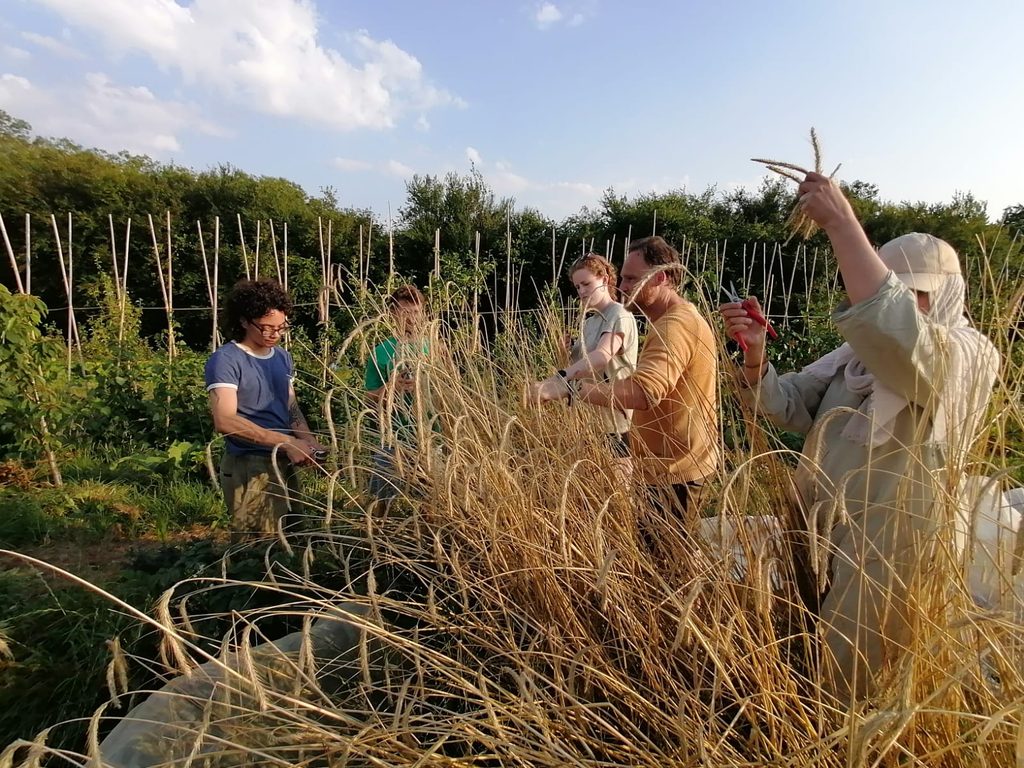
- Hands on work in gardens and land-based systems
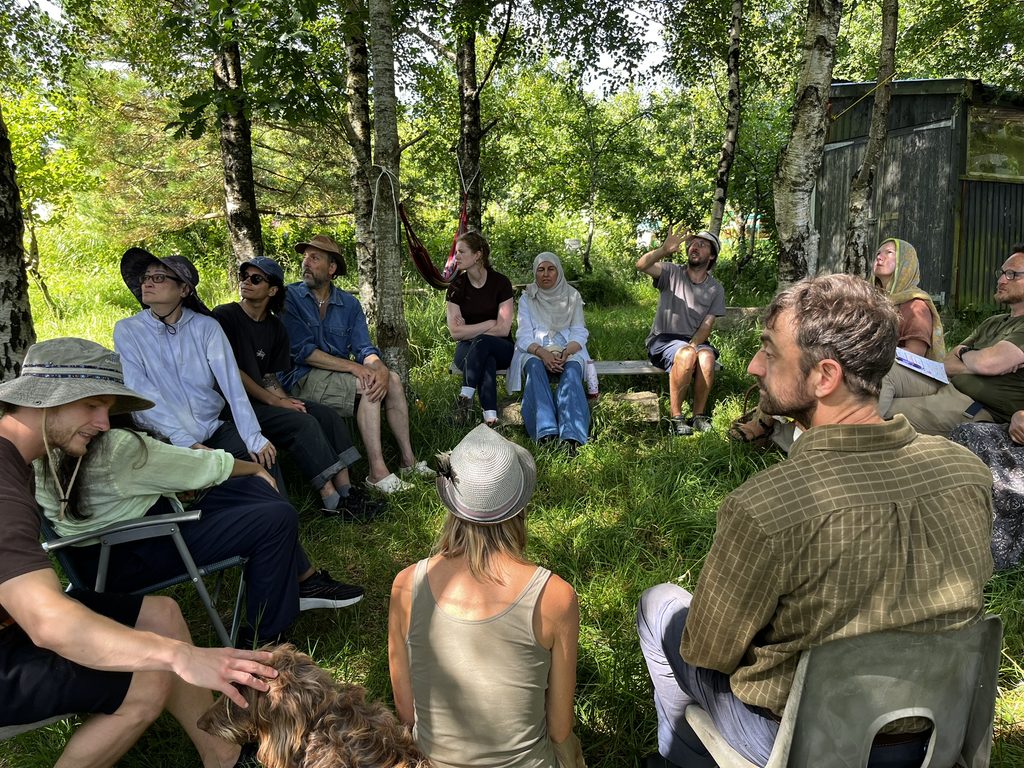
- Learning alongside people at different stages of their permaculture journey
- Regenerative design thinking explored at a level appropriate to your experience
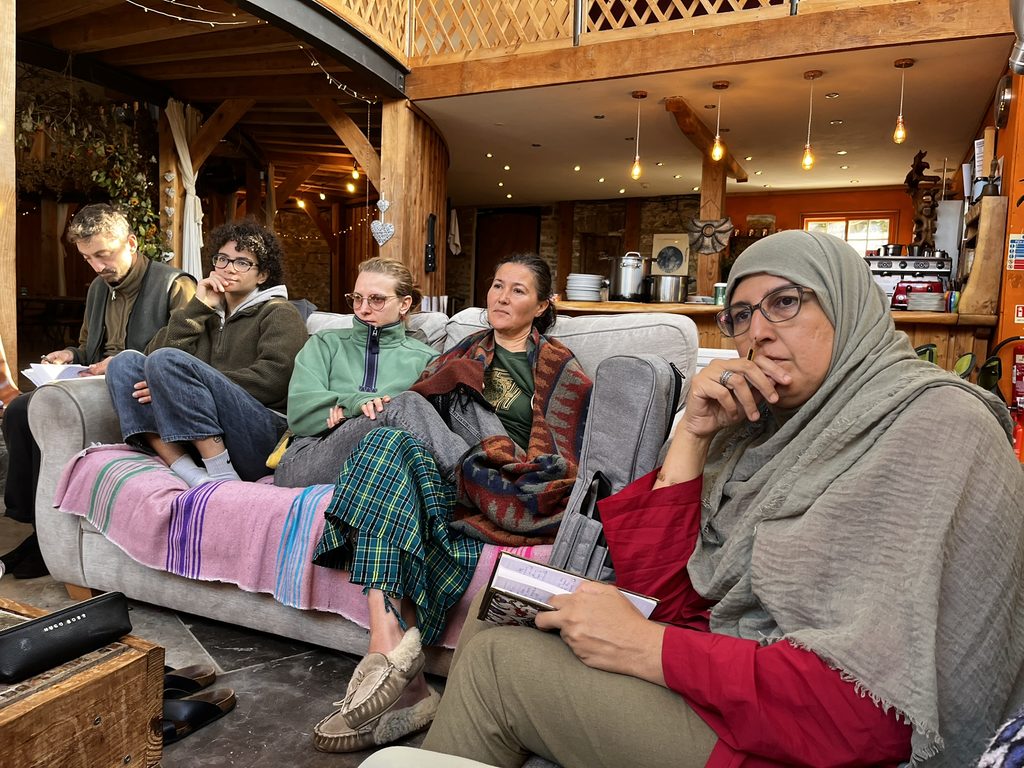
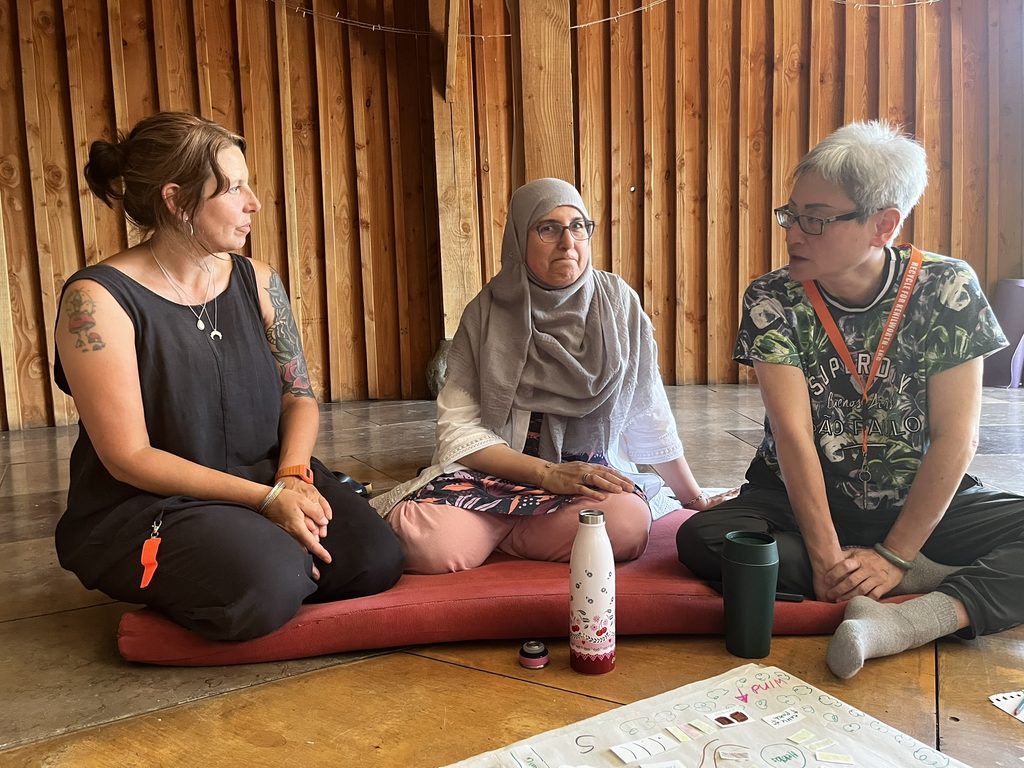
- Group co-coaching and reflection to deepen learning and integration
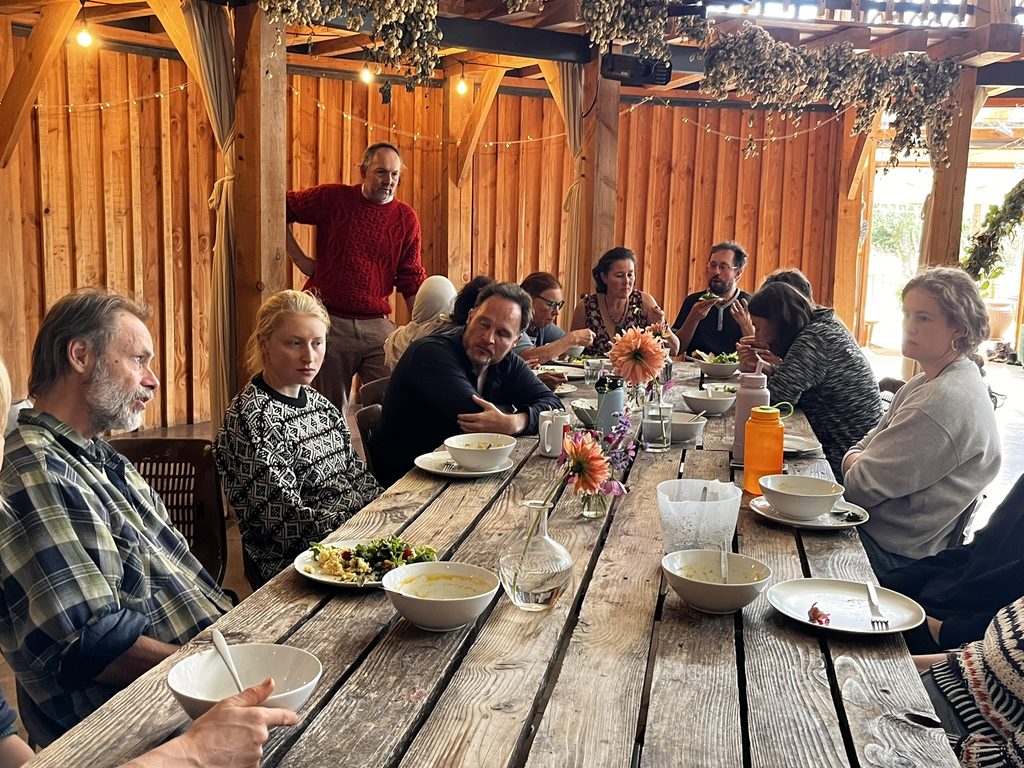
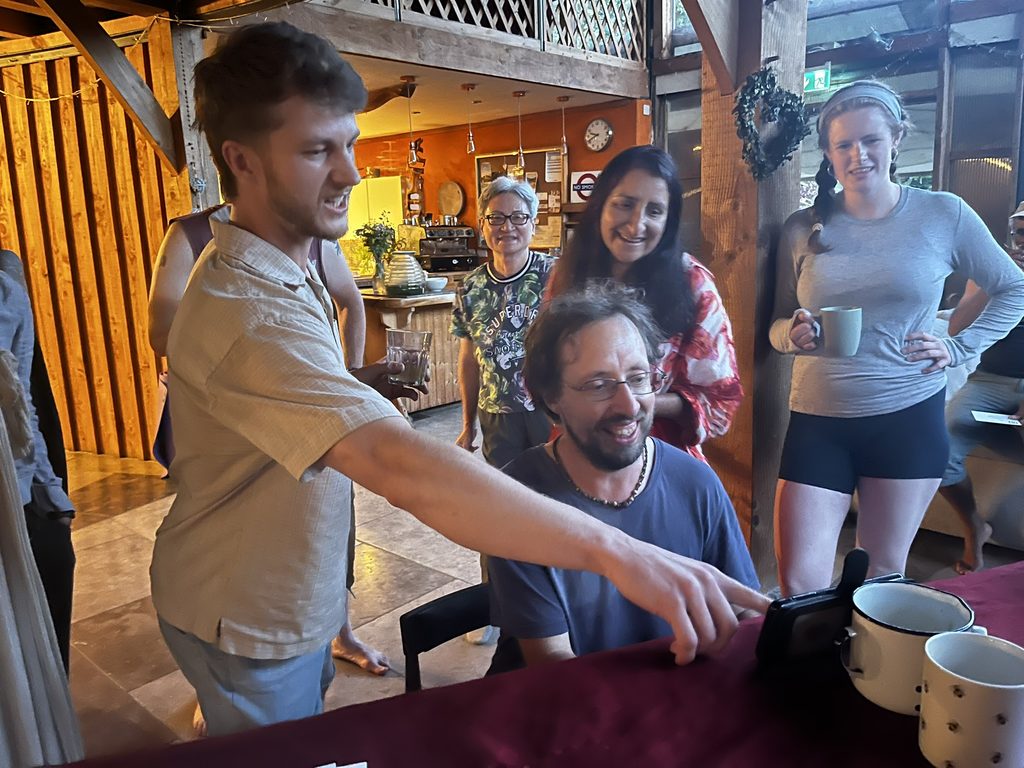
- Shared meals, conversation and community as an integral part of the immersion
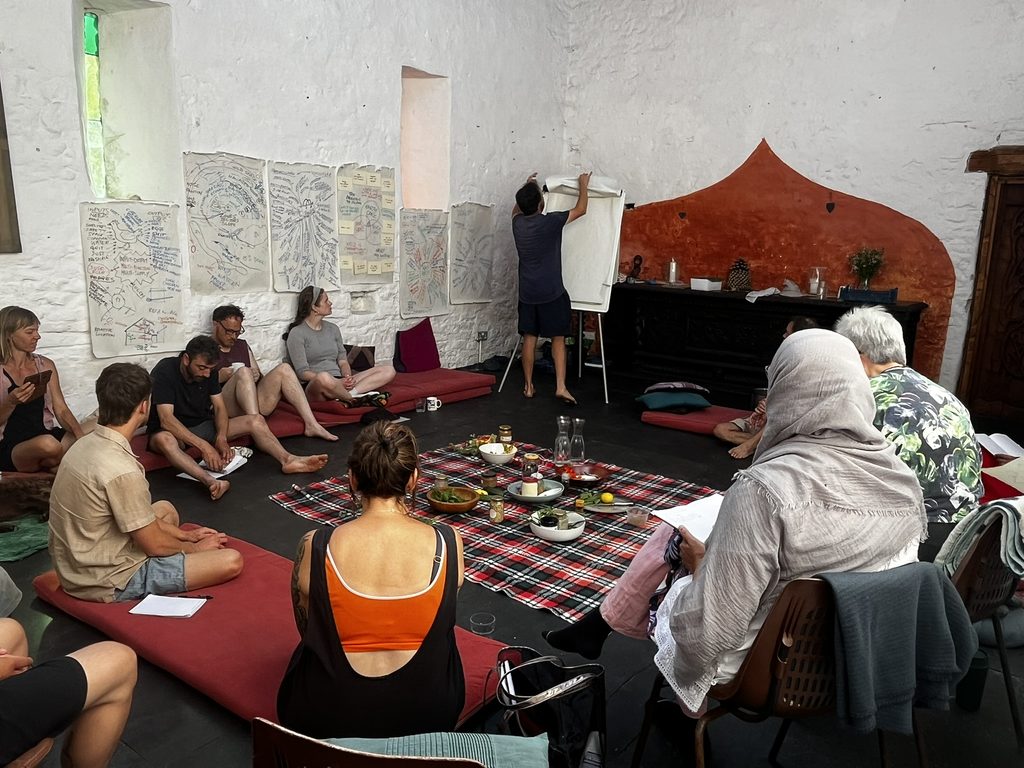
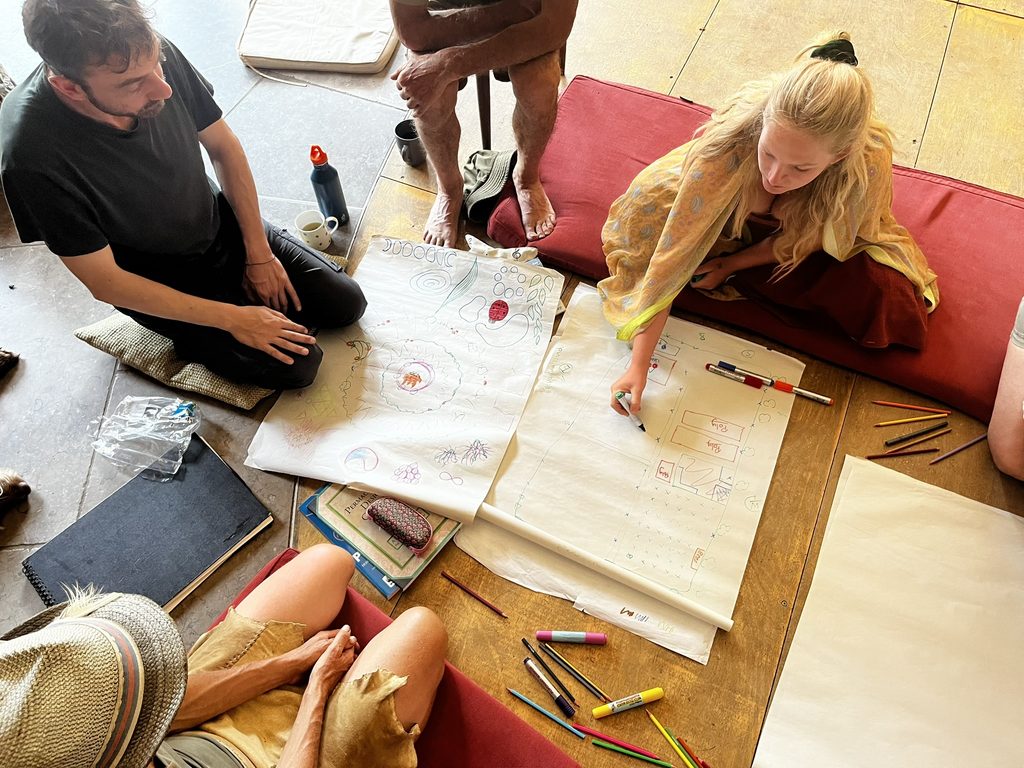
Much of the learning happens through doing. Time in the gardens, woodland and shared spaces is balanced with conversation, reflection and group work, helping you make sense of what you’re experiencing and how it relates to your own context.
Food is a central part of the week. Growing, harvesting, preparing and sharing meals becomes part of the learning, connecting practical skills with a wider understanding of nourishment, seasonal eating and food culture.
There is also space to slow down and notice what’s happening, both around you and within you. Time for observation, reflection and conversation is woven throughout the weekend, helping you integrate your learning and consider how it relates to your own life and practice.
“It was such a satisfying culinary journey, eating what is grown on site, helping to harvest and forage and learning the use of herbs as medicine.”
What You’ll Leave With
By the end of the weekend, you’ll have greater confidence in applying permaculture through practical experience, along with new skills, ideas and connections to support your next steps.
Through the weekend’s exploration, you will leave with an understanding of how permaculture thinking and practices can be applied to your own life, work or project.
New participants will complete the Introductory section of the modular Permaculture Design Certificate curriculum and can choose to complete the remaining elements at a later date (you will receive a certificate of completion for this module). Participants returning from our 2026 Permaculture Immersion Week’s can continue to complete their Permaculture Design Certificate or continue to plan the implementation of personal or community projects, or deepen their design work on projects they are applying in their life, whilst stepping back into practical food growing activities that respond to the seasonal flow of Ediculture thinking and practice.
Who Is This For?
This long-weekend immersion is perfect if you:
- are new to permaculture or food growing, and would like to begin your learning journey
- want to learn about how to adjust your lifestyle in response to the challenges of our time through hands on experience in a supportive community
- are interested in growing food, regenerative living and working more closely with natural systems
- attended our 2026 Permaculture Immersion Week and would like to continue your project work, reconnect with Coed Hills, or complete your Permaculture Design Certificate
Please do feel free to book a discovery call and talk to us further if this is of interest.
The Cost
We use a tiered pricing model to help make the Permaculture Immersion accessible while ensuring that the people involved in creating and delivering the course are fairly paid.
We ask participants to choose the tier that best reflects their circumstances, trusting that this shared responsibility supports both individual access and the wider learning community.
£325 – Standard rate
This is the rate we ask you to pay where possible and reflects the costs involved in creating and delivering the three-day immersion.
£375 – Pay it forward
If you’re in a position to contribute a little more, choosing this rate helps support our tiered pricing model and keep the immersion accessible to people with different financial circumstances.To register your interest email marianne@awildlife.org.uk
Payment Plans
We know that paying the full course fee in one go isn’t possible for everyone. Payment plans are available across all our price options, allowing you to secure your place with a deposit and spread the remaining cost in the lead-up to the course.
If the standard rate feels manageable overall but paying in one go is difficult, a payment plan may be a helpful option.
To set up a payment plan please email: marianne@awildlife.org.uk
The Accomodation
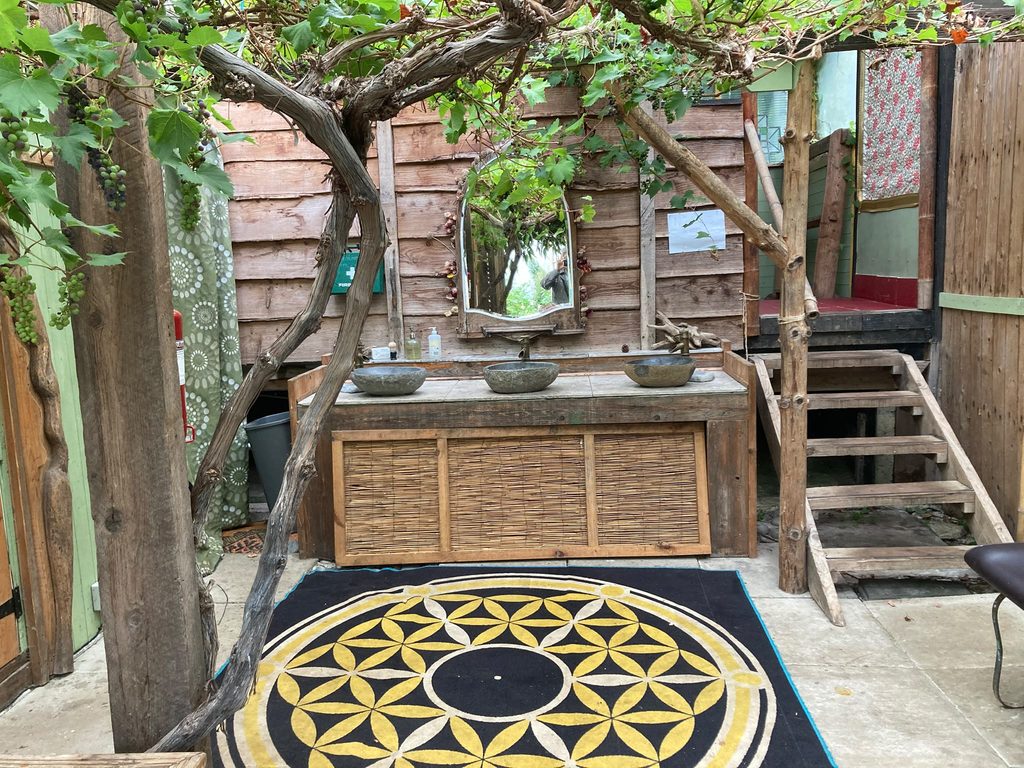
Onsite free camping with access to compost toilets, solar showers, washing up facilities, tea and coffee making.
As an optional alternative to camping at affordable additional cost, individual accommodation spaces are dotted throughout the gardens. These can be booked for private comfort and quiet rest, or shared by groups.
More details about the accommodation
Learn more about Permaculture >
Accessibility & inclusion
We aim to make this course as inclusive and accessible as possible. One of our accommodation options, the railway carriage, is wheelchair accessible. The main teaching space in the barn is also wheelchair accessible, and there is an accessible toilet located there.
If you have access needs or questions not covered here, we warmly encourage you to get in touch before booking. We are happy to discuss what is possible and how we can best support your participation.
The course team includes:
- Steve Charter – (Pc Diploma, 2001)
- Stevie Watts – Stevie leads the Ediculture programme,
- Mathu Bloom – has lived at Coed Hills for almost eight years, in a tiny house she designed and built herself, and works closely with Stevie to maintain the gardens.
- Marianne Lindfield – Marianne has a strong background in community engagement and led the design and development of The Pod Project in Northern Ireland, a local permaculture and wellbeing hub.
More information in About Us
If you’d like to explore the thinking behind our approach to learning, community and care, you might enjoy our reflection Why a Wild Life?
To register your interest email marianne@awildlife.org.uk
Continuing the journey
This three-day immersion can be enjoyed in its own right or become the beginning of a longer permaculture journey.
If you’d like to go further, you can join our seven-day Permaculture Immersion in July 2027, followed by our Returning and Deepening Permaculture Immersion in October 2027, with your learning contributing towards the modular Permaculture Design Certificate pathway.
You’ll also be invited to join our online cohort calls, helping you stay connected, share how you’re putting your learning into practice and continue building community beyond the immersion.
Returning participants can also continue to deepen their learning through future immersion courses and seasonal opportunities with A Wild Life and Ediculture.